Europe’s coolest neighborhoods: Urban vibes from Vienna to Madrid

Skip Le Marais for Bastille, Trastevere for Monti, and Shoreditch for Bethnal Green. Across Europe’s major cities, creative up-and-coming neighborhoods are stepping into the spotlight with fresh ideas, diverse dining scenes, and contemporary urban energy. These seven trendsetting districts are waiting to be discovered. Best of all, every one of them is easily accessible with SWISS.
Biedermeier meets bohemian chic

#1 Vienna: 7th District (Neubau)

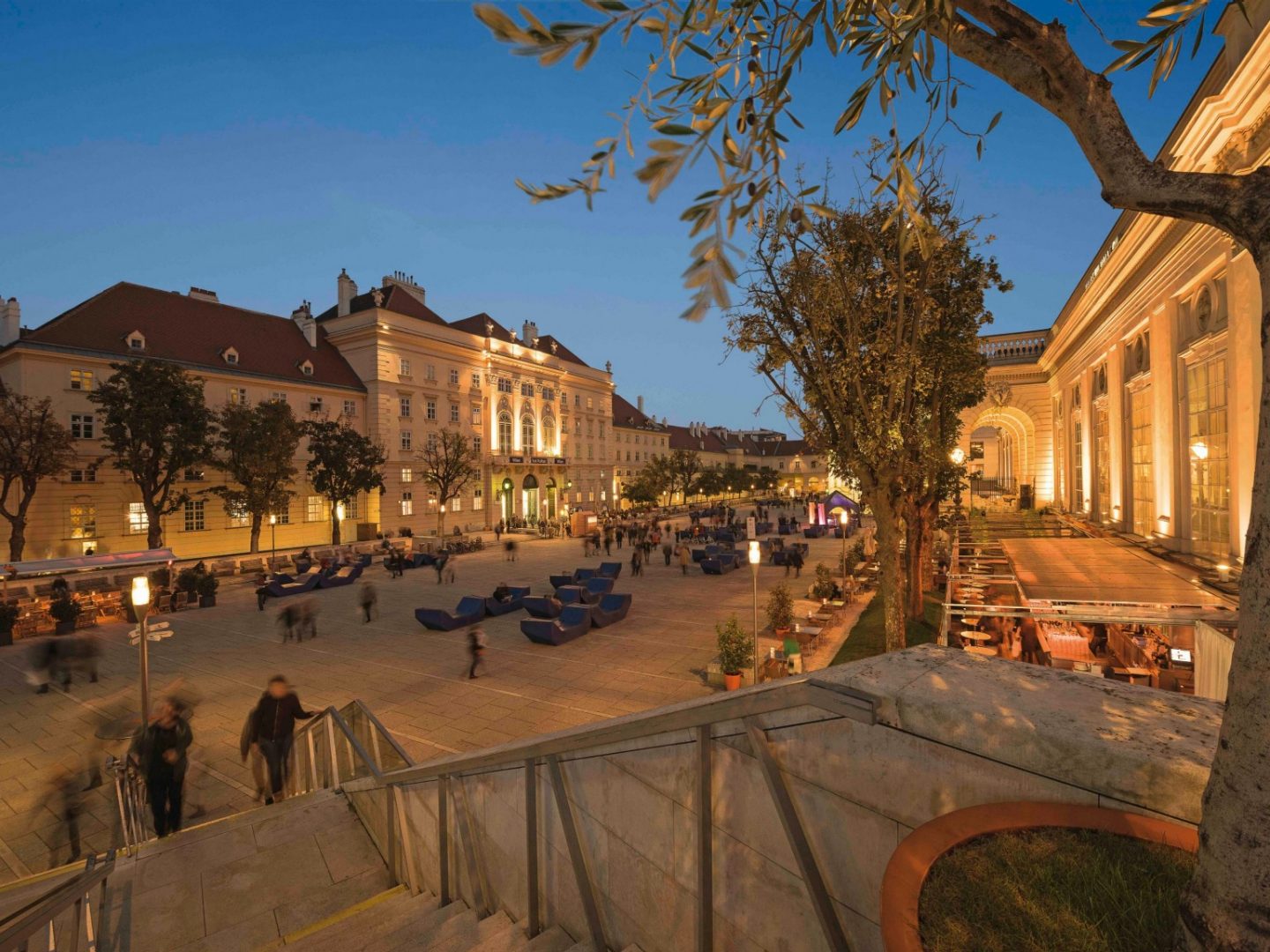
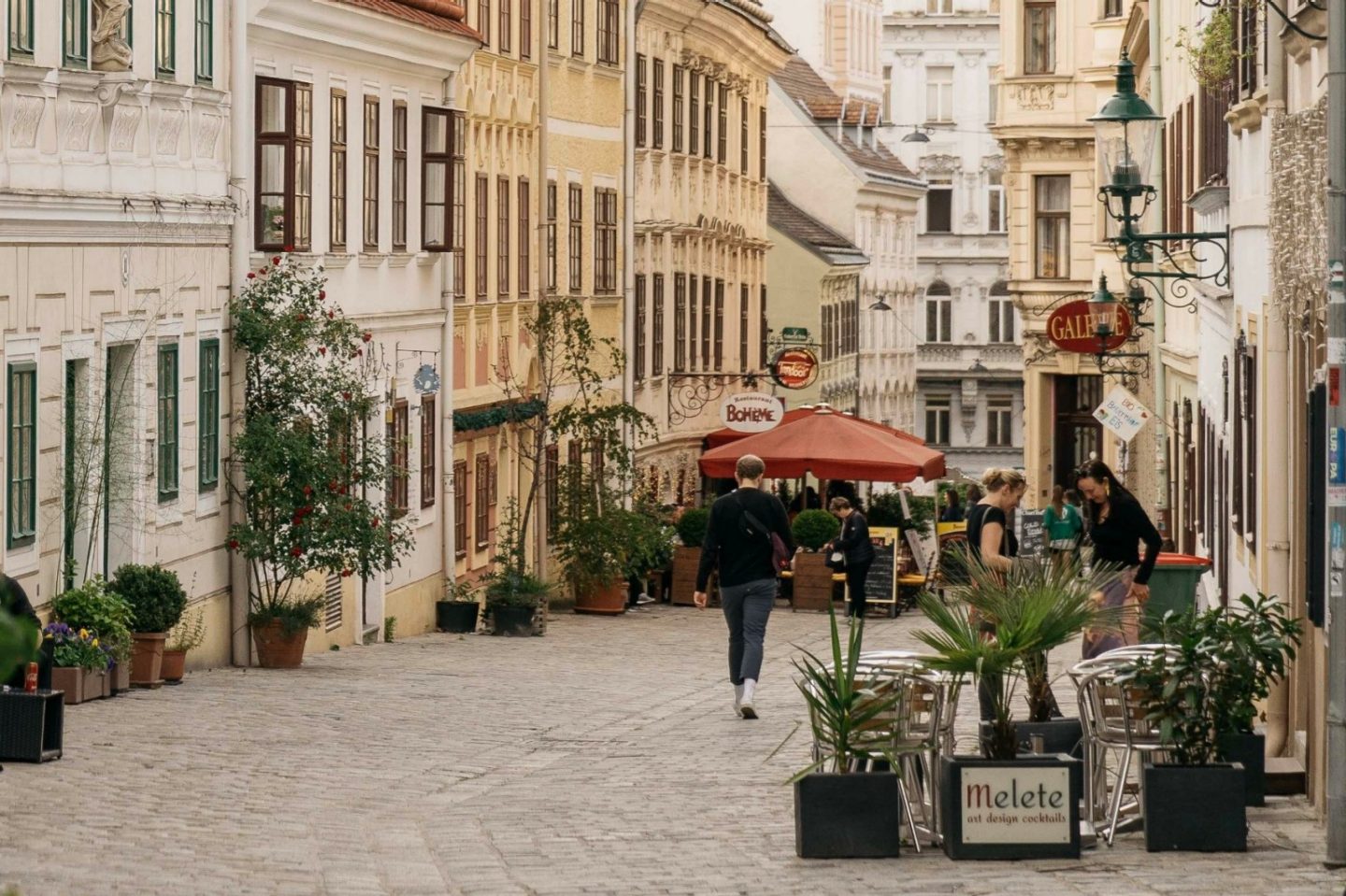
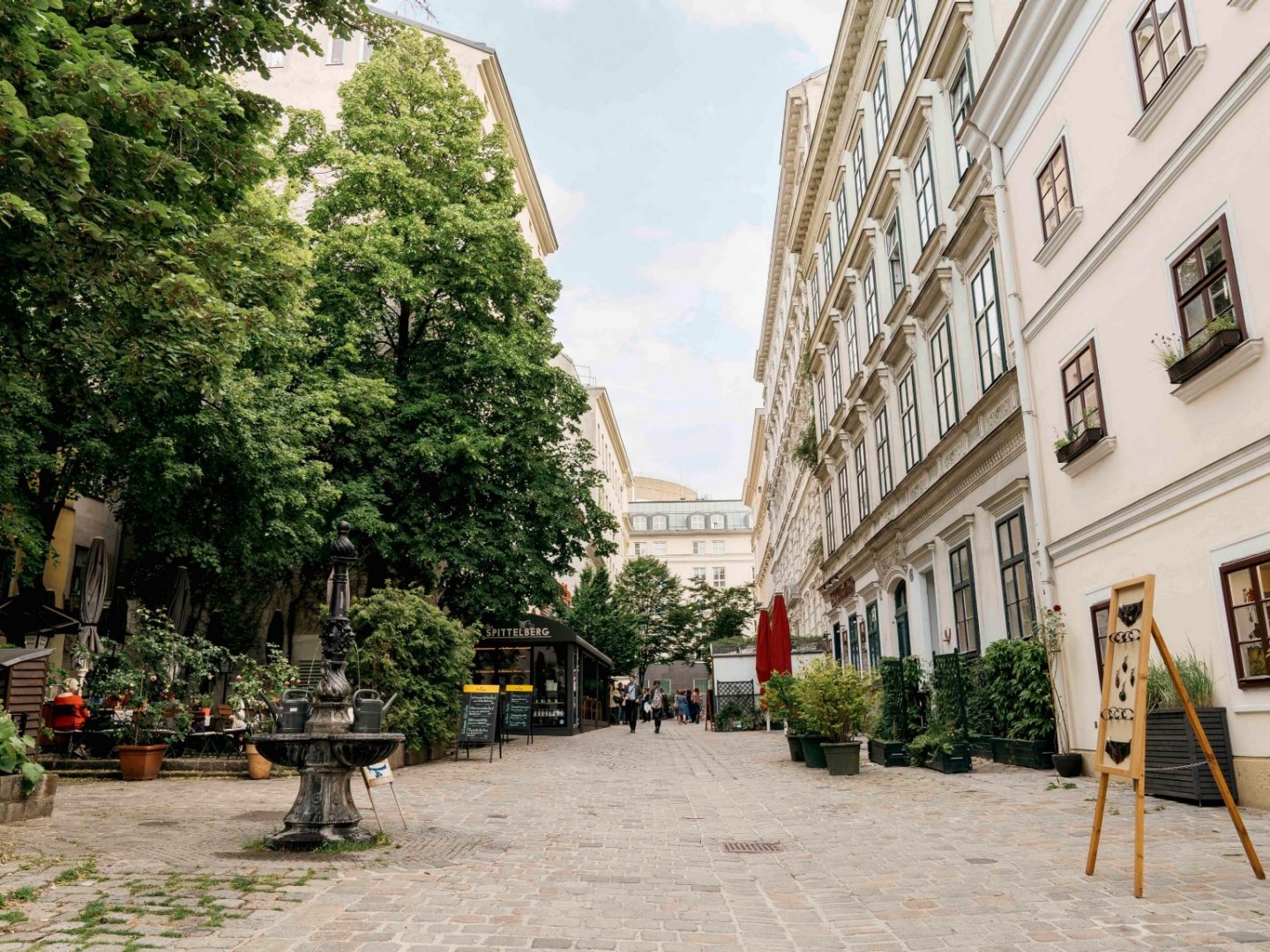
Despite its official name, Neubau (“new build”), Vienna’s 7th District is anything but new. Elegant late-19th-century buildings dominate the streetscape, while the picturesque Spittelberg area is home to beautifully preserved Biedermeier and Baroque houses. Yet architecture tells only part of the story.

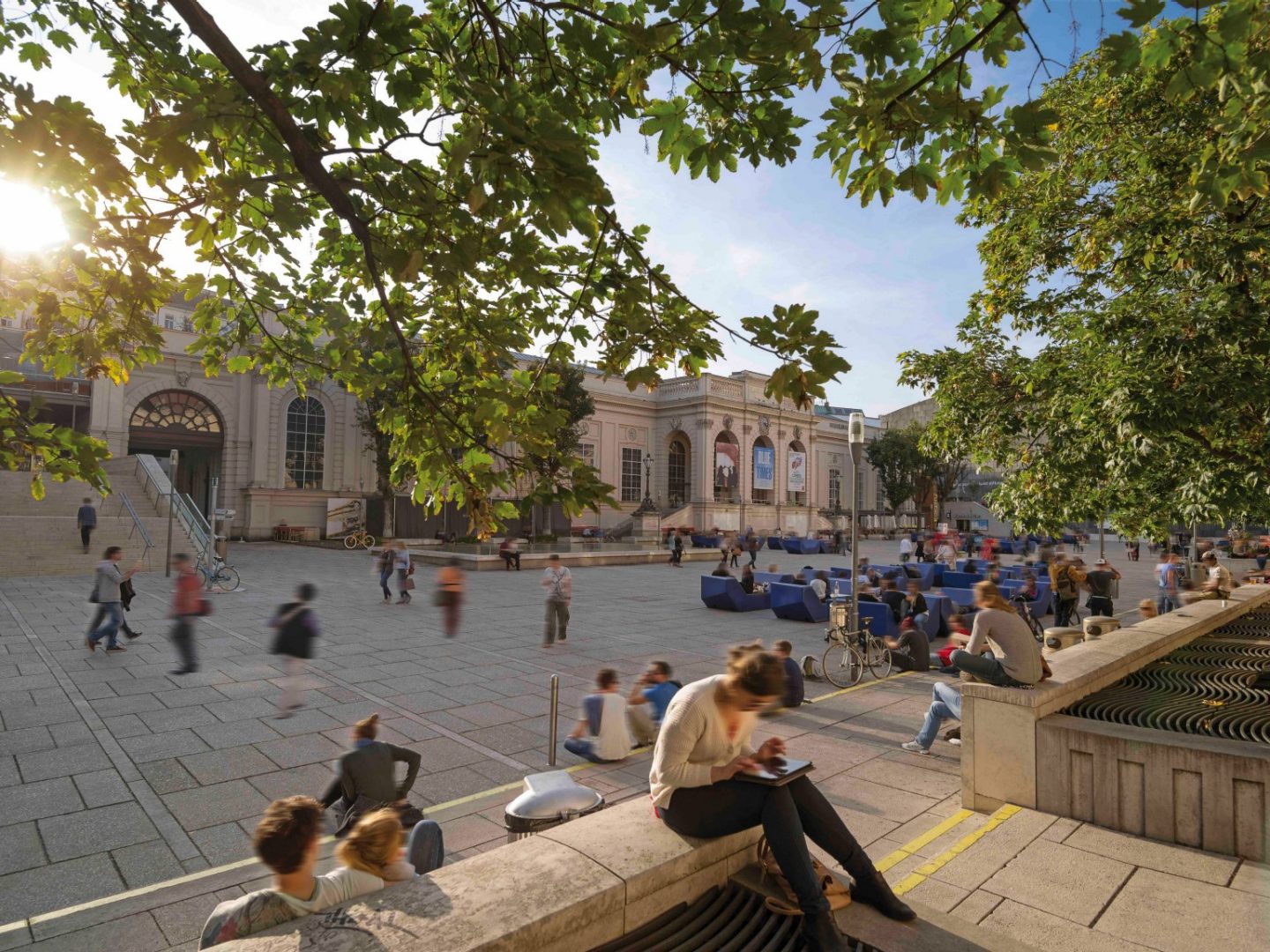
Modern apartment blocks stand alongside Old Vienna charm, orderly avenues give way to cobbled lanes, and traditional taverns coexist with trendy cafés, contemporary art galleries, vintage boutiques, and pop-up stores. The district is also home to the renowned ​MuseumsQuartierThe link will be opened in a new browser tab* , one of the world’s ten largest cultural complexes.

Lively, creative, and full of character,x Neubau offers a refreshing alternative to Vienna’s more traditional tourist center with its State Opera, St. Stephen’s Cathedral, imperial palaces, and horse-drawn carriages. Designers, artists, students, and other creative minds have made the neighborhood their own, earning it the nickname “Boboville.”

Stay: ​Altstadt ViennaThe link will be opened in a new browser tab* (an art-filled boutique hotel hidden behind the façade of a stately townhouse)
Alternative: ​25hours Hotel MuseumsQuartier ViennaThe link will be opened in a new browser tab* (playful, contemporary, and designed for spontaneous encounters)
Eat: ​Glacis BeislThe link will be opened in a new browser tab* (classic Viennese cuisine in a beautiful garden setting)

East End energy: Everyday life meets urban renewal

#2 London: Bethnal Green

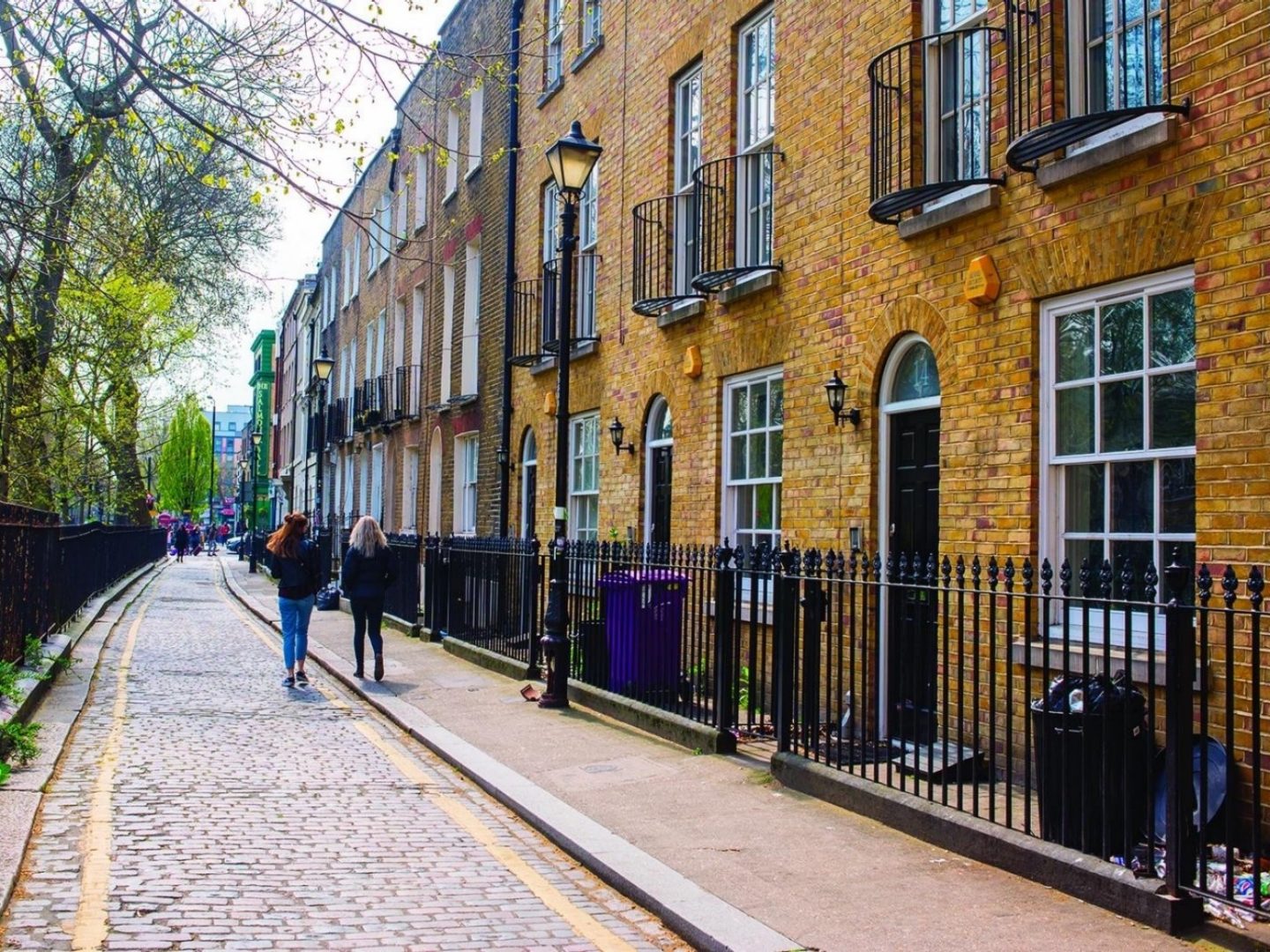
Over centuries, London absorbed countless villages and towns on its outskirts, creating a city with many centers rather than one. Bethnal Green, on the western edge of the East End, is one of them.

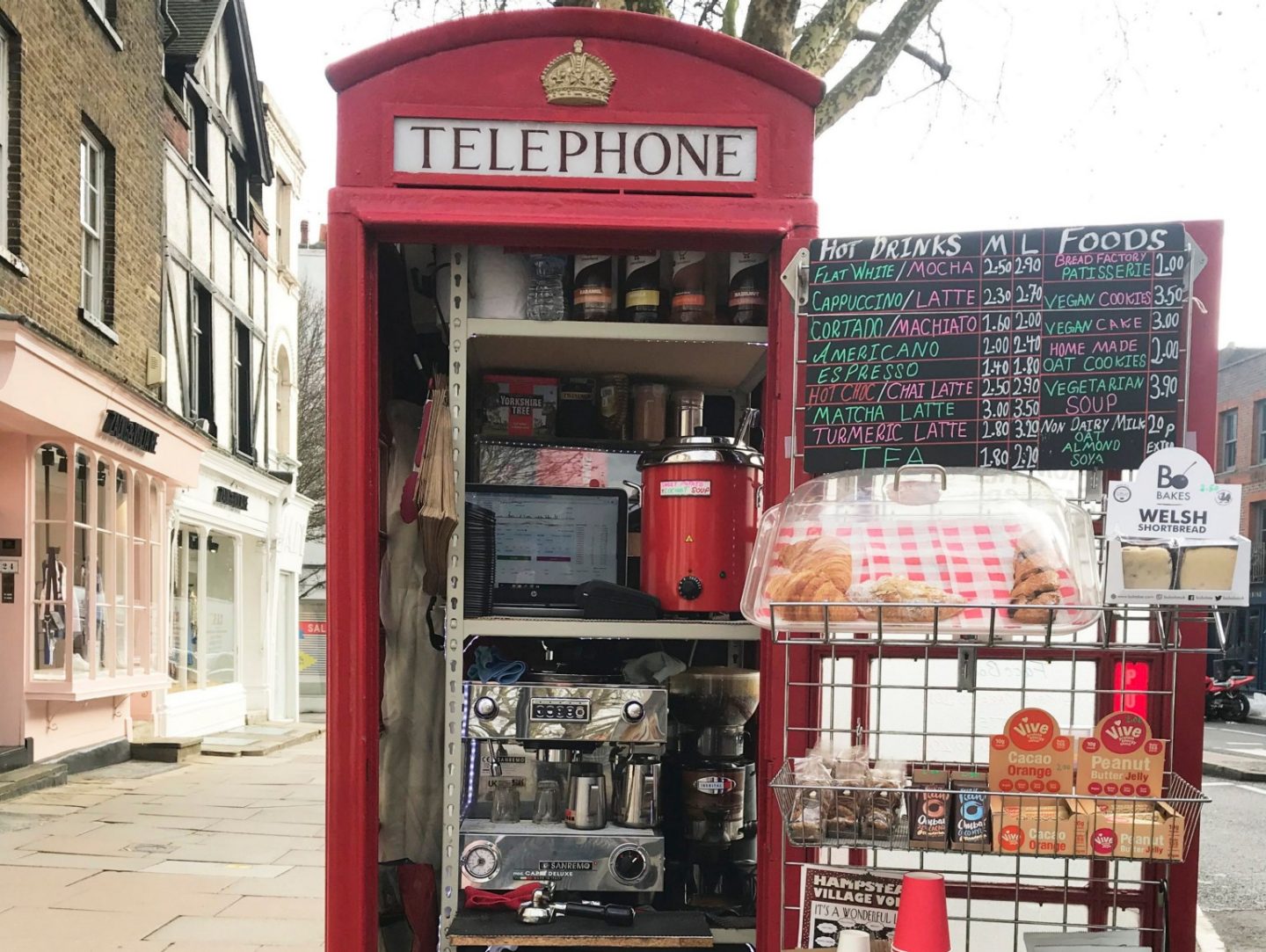
Less polished and more authentic than neighboring Shoreditch, the area is in the midst of rapid transformation. Independent cafés, bars, shops, and cultural spaces have moved into the ground floors of Victorian terraces and sensitively renovated residential buildings.

Rather than being defined by a single scene, Bethnal Green remains a place of transition. Young professionals, creatives, students, and long-standing residents—including many families with Bangladeshi roots—share the neighborhood, giving it a layered and evolving identity.

The borders with Shoreditch, Spitalfields, and London Fields are fluid, but the heart of Bethnal Green lies roughly between Mile End Park, Cambridge Heath Road, Old Ford Road, and Mile End Road. Adding to its eclectic appeal is the ​Vagina MuseumThe link will be opened in a new browser tab*, the world’s first museum dedicated to gynecological and anatomical education, which fits naturally into this multicultural part of London.

Stay: ​Town Hall HotelThe link will be opened in a new browser tab* (a design landmark housed in a former Victorian town hall)

Eat: ​BistrothequeThe link will be opened in a new browser tab* (a fashion and art-world favorite for over two decades, located in a former industrial building)

Canals, creativity, and aperitivo culture

#3 Milan: Navigli

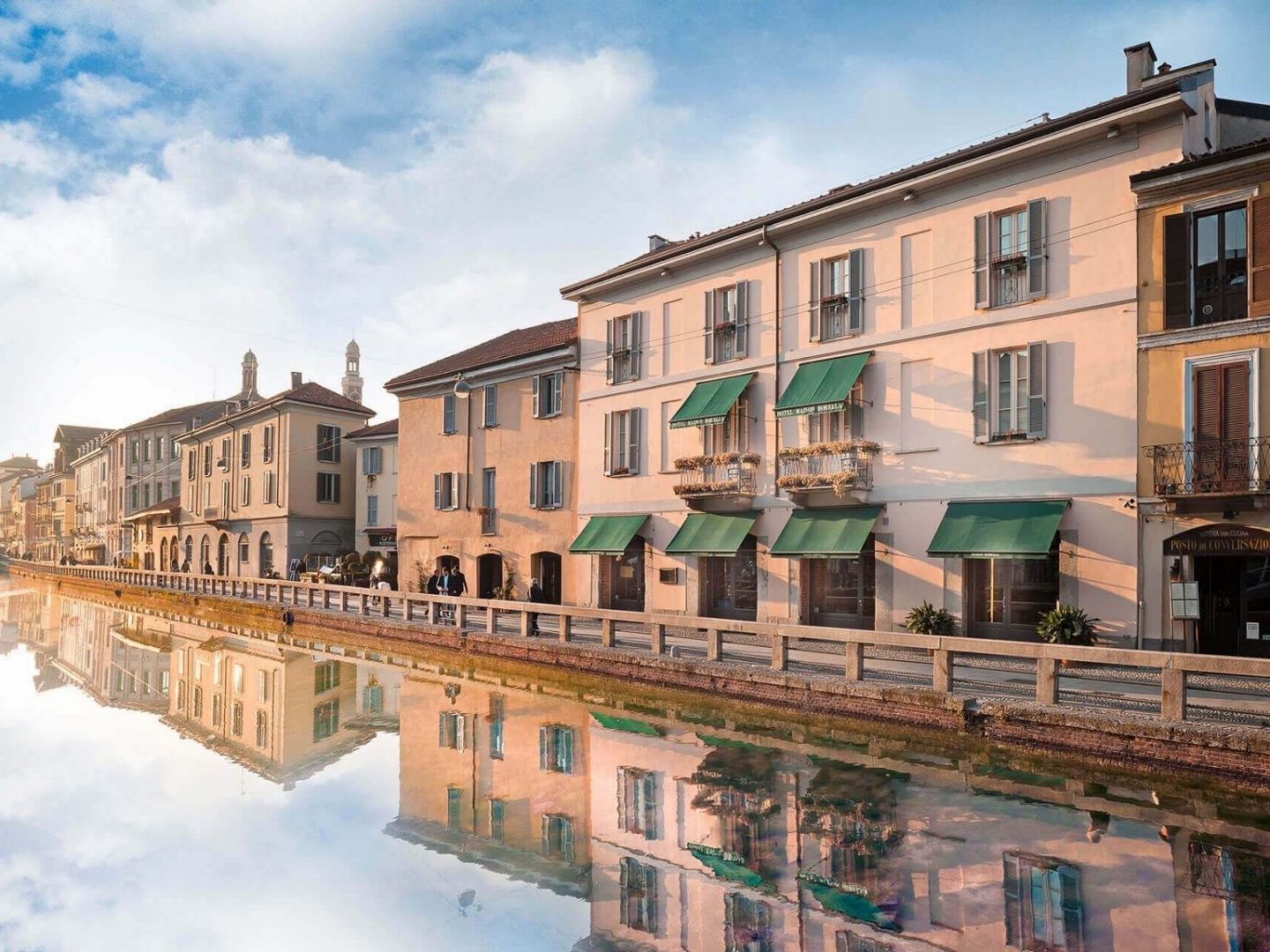
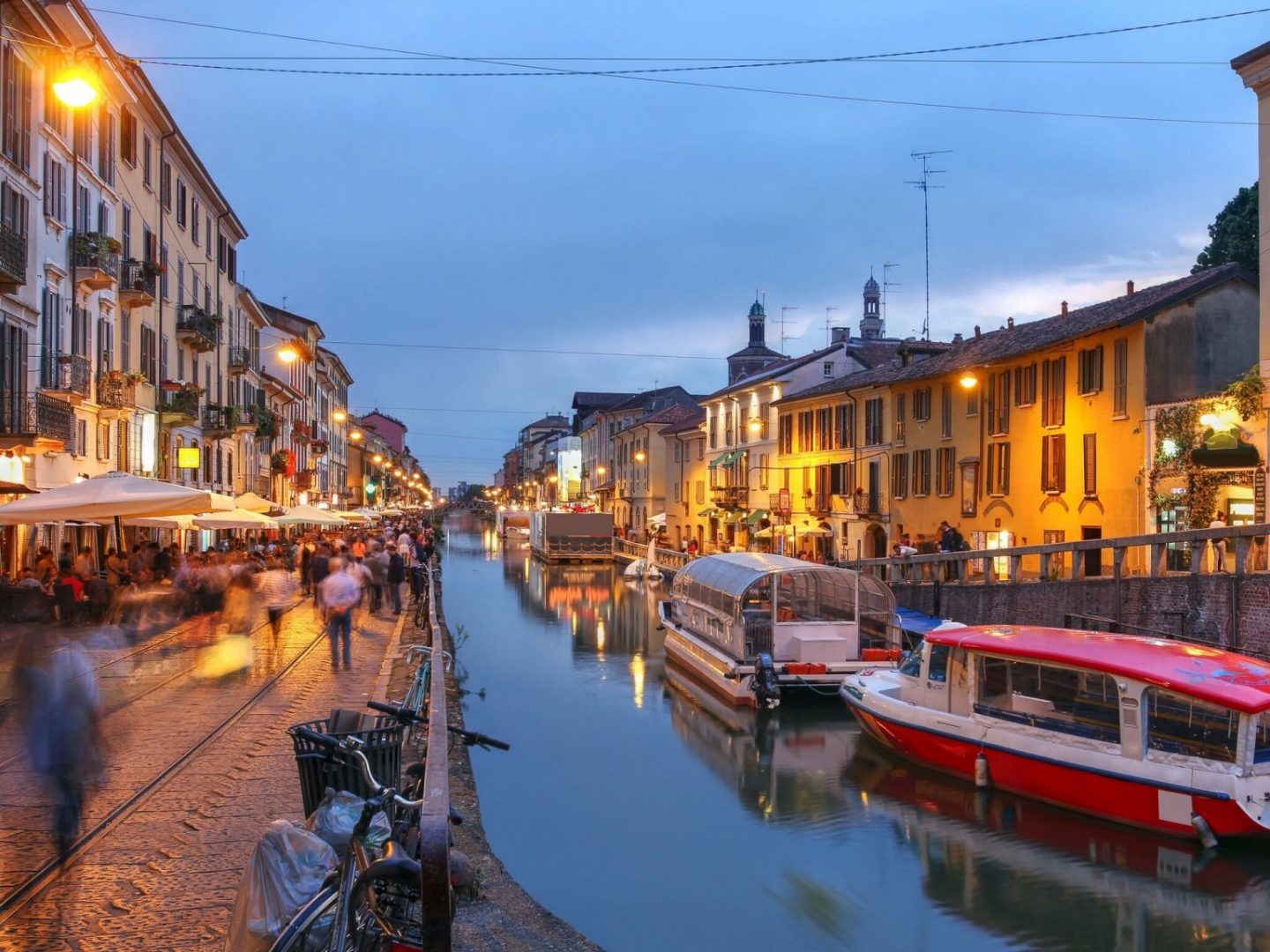
Twenty years ago, Navigli was often dismissed as unremarkable. Today, Milan’s canal district is one of the city’s most atmospheric neighborhoods, offering a touch of Venice right in the heart of Lombardy.

Originally built as navigable waterways stretching deep into the city center, the canals even transported marble used in the construction of Milan Cathedral. While many were later covered to make room for traffic, the canals of Navigli remain intact.

By day, visitors can browse markets along the Naviglio Grande and Naviglio Pavese, including the popular antiques market held on the last Sunday of every month. Independent boutiques, artisan workshops, and contemporary galleries add to the district’s creative appeal.

As evening falls, the lights of bars and restaurants reflect in the water, creating a magical atmosphere, especially during the summer months. Even Milan’s famously busy residents slow down here and embrace a little dolce far niente.

Stay: ​Maison BorellaThe link will be opened in a new browser tab* (a charming pink-washed building overlooking the Naviglio Grande)
Eat: ​Officina 12The link will be opened in a new browser tab* (Milanese specialties and grilled dishes served in a former boat workshop)

The new hotspot of the Eternal City

#4 Rome: Monti

Once known as a working-class and red-light district, Monti has transformed into one of Rome’s most desirable neighborhoods.

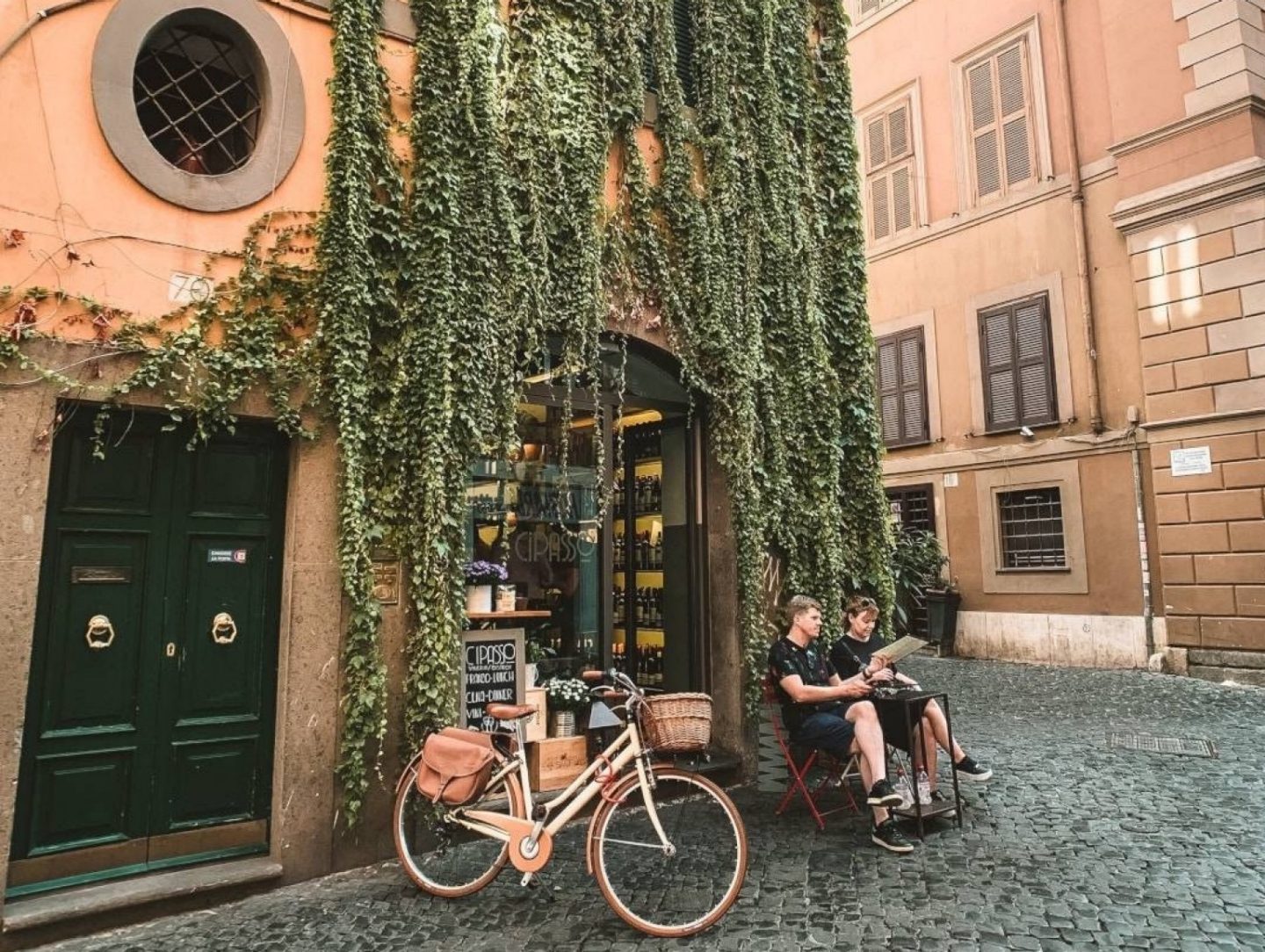
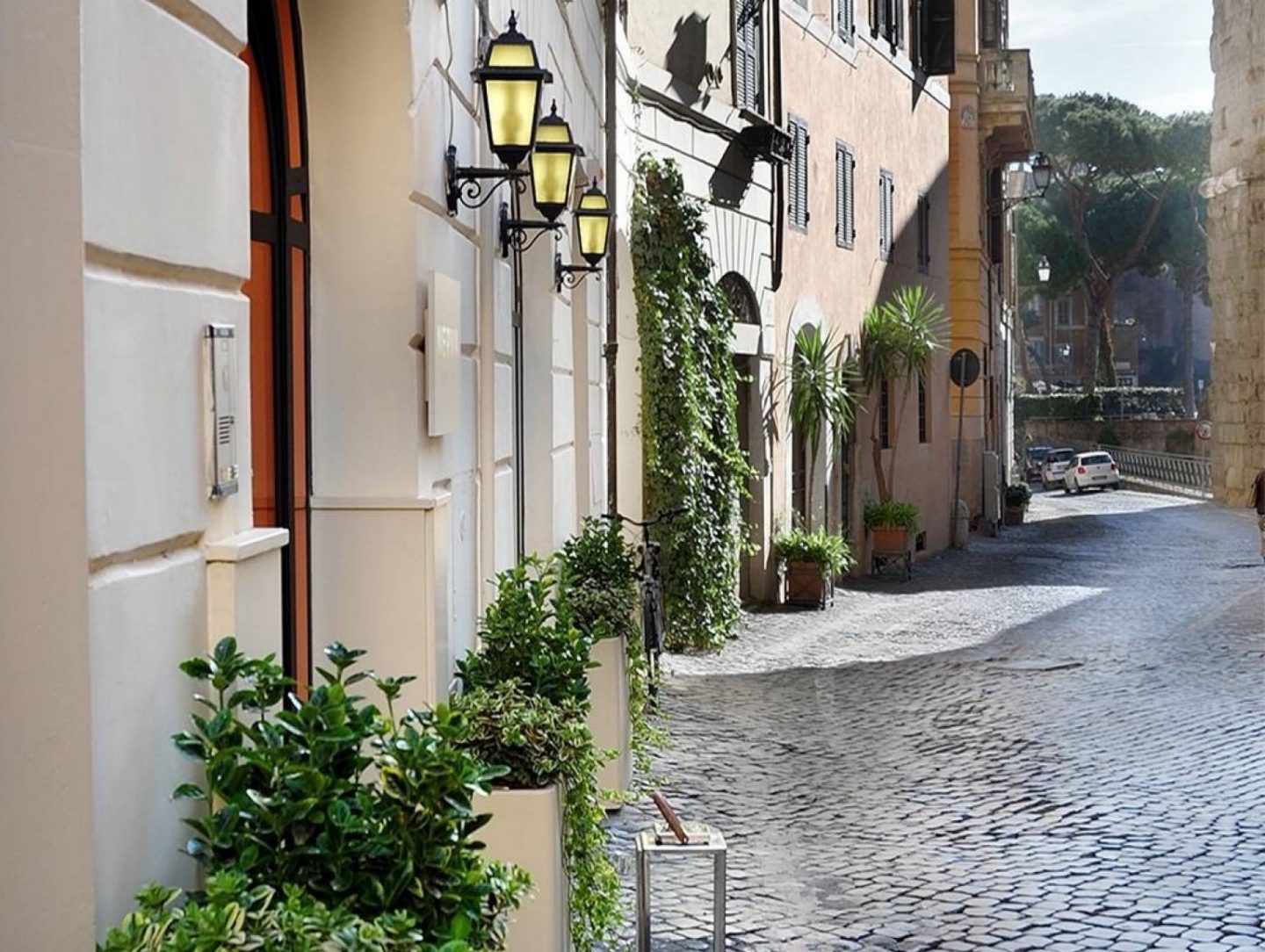
Around Piazza della Madonna dei Monti, independent boutiques, restaurants, and café-bars line the narrow streets. What sets Monti apart is its intimate scale: no vast squares, no endless waits at major intersections, and no rows of international chain stores. Instead, everything feels more personal, authentic, and relaxed than in many other parts of the city.

A favorite among locals and visitors alike is Gelateria Fatamorgana, famous for its imaginative and sometimes surprising ice cream flavors. After dark, ​Blackmarket HallThe link will be opened in a new browser tab* serves multicultural cuisine accompanied by live jazz in a quirky, atmospheric setting.

Travelers looking for classic Roman dishes such as carbonara or saltimbocca can also find plenty of welcoming trattorias. And anyone lucky enough to stay in one of Monti’s relatively few hotels enjoys a peaceful base just steps away from the Colosseum, the Roman Forum, and Piazza Venezia.

Stay: ​Nerva Boutique HotelThe link will be opened in a new browser tab* (20 cozy rooms, gracious hospitality, and exceptional value)
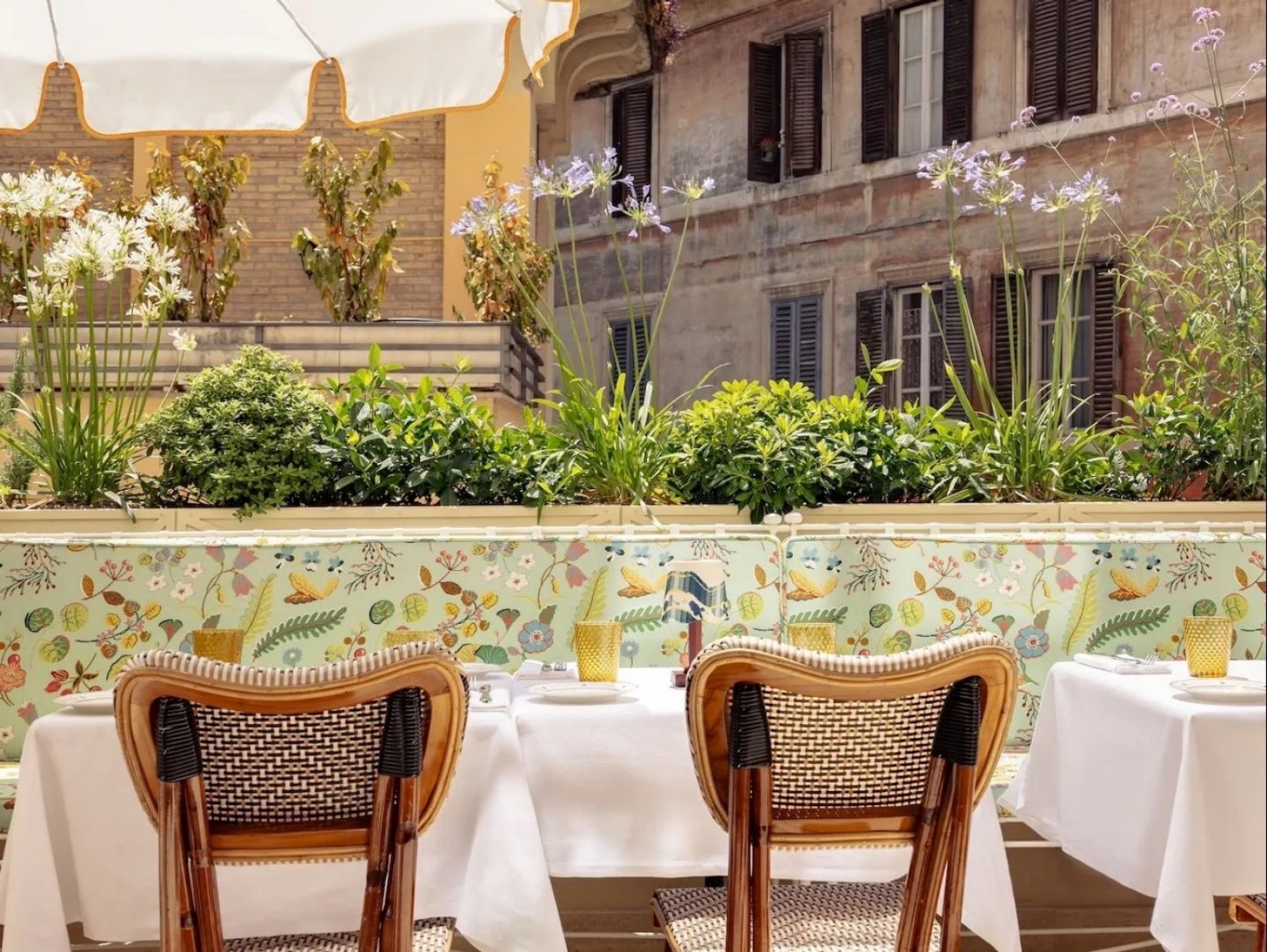
Alternative: ​Casa MontiThe link will be opened in a new browser tab* (a colorful luxury hideaway with 36 rooms, a restaurant, and rooftop bar housed in a former 18th-cent ury residence)
Eat: ​Ristorante Broccoletti* (authentic Italian cuisine with a contemporary touch)

Lifestyle without the crowds

#5 Madrid: Trafalgar

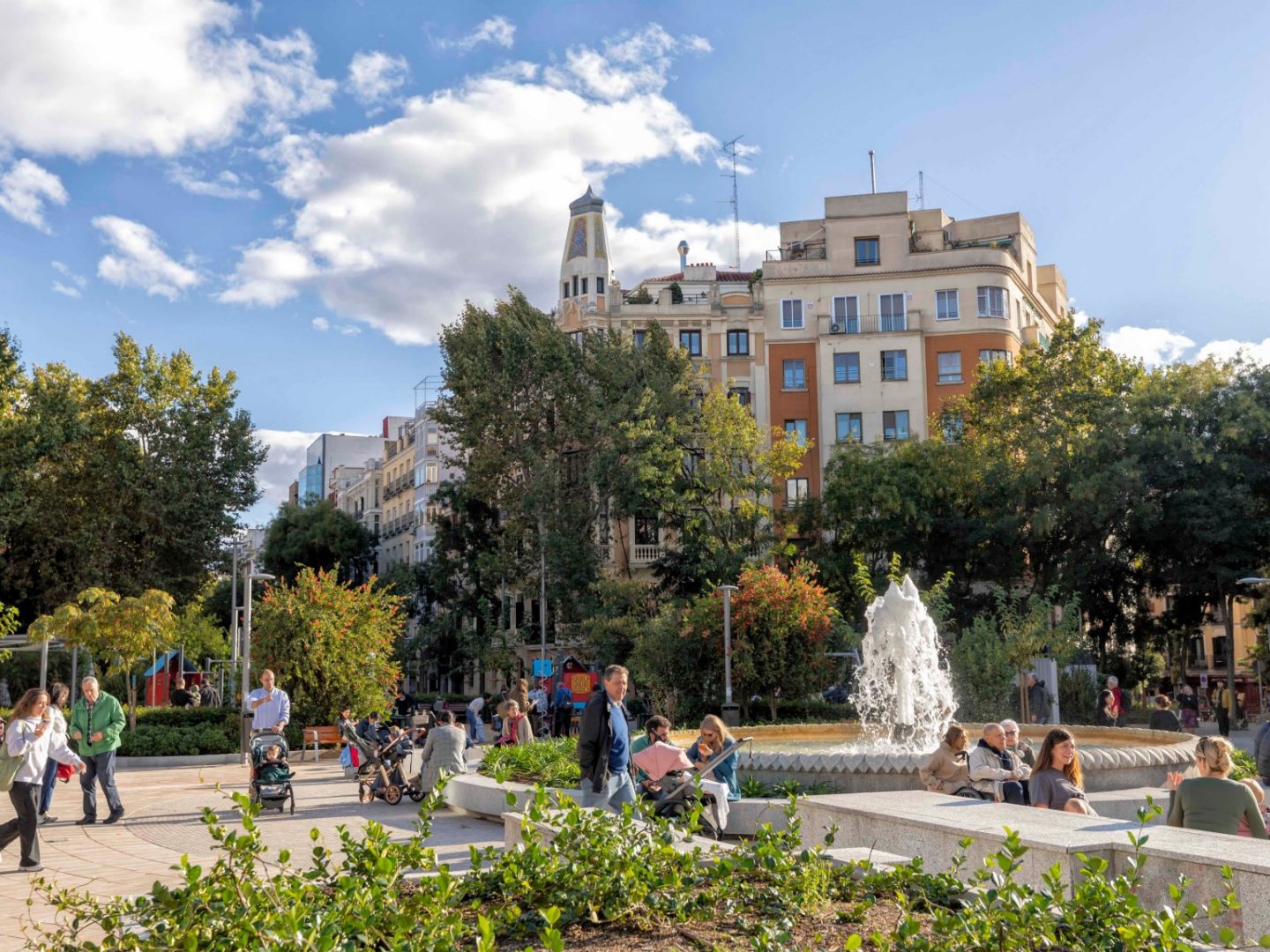
Madrid thrives through its barrios—distinct neighborhoods with strong local identities. From inclusive Chueca and fashionable Malasaña to multicultural Lavapiés and elegant Recoletos, each tells a different story.

Trafalgar, part of the upscale Chamberí district, is currently enjoying a noticeable renaissance. New cafés, restaurants, and bars have appeared throughout the area, particularly around Plaza de Olavide.

Unlike some of Madrid’s trendier districts, Trafalgar makes no attempt to be flashy. There are no major nightlife scenes or headline-grabbing cultural venues. Instead, visitors find handsome historic architecture, a strong sense of community, and an effortlessly urban lifestyle often described as “grown-up cool.”

The diversity of Madrid’s neighborhoods is matched by the city’s relaxed way of life. As Monocle magazine notes: “Excellent weather and food, strong intergenerational relationships, and natural sociability mean people here work to live rather than live to work.”

Stay: ​Sardinero MadridThe link will be opened in a new browser tab* (a thoughtful blend of design and character behind a neoclassical façade)
Eat: ​Manifesto 13The link will be opened in a new browser tab* (a contemporary bistro serving Italian- and Spanish-inspired dishes at fair prices)

On the other side of the IJ Canal

#6 Amsterdam: Noord

Amsterdam’s canals, bridges, historic townhouses, world-class museums, boutiques, and cafés remain irresistible. But travelers looking to escape the crowds should venture beyond the city center—particularly to Noord.

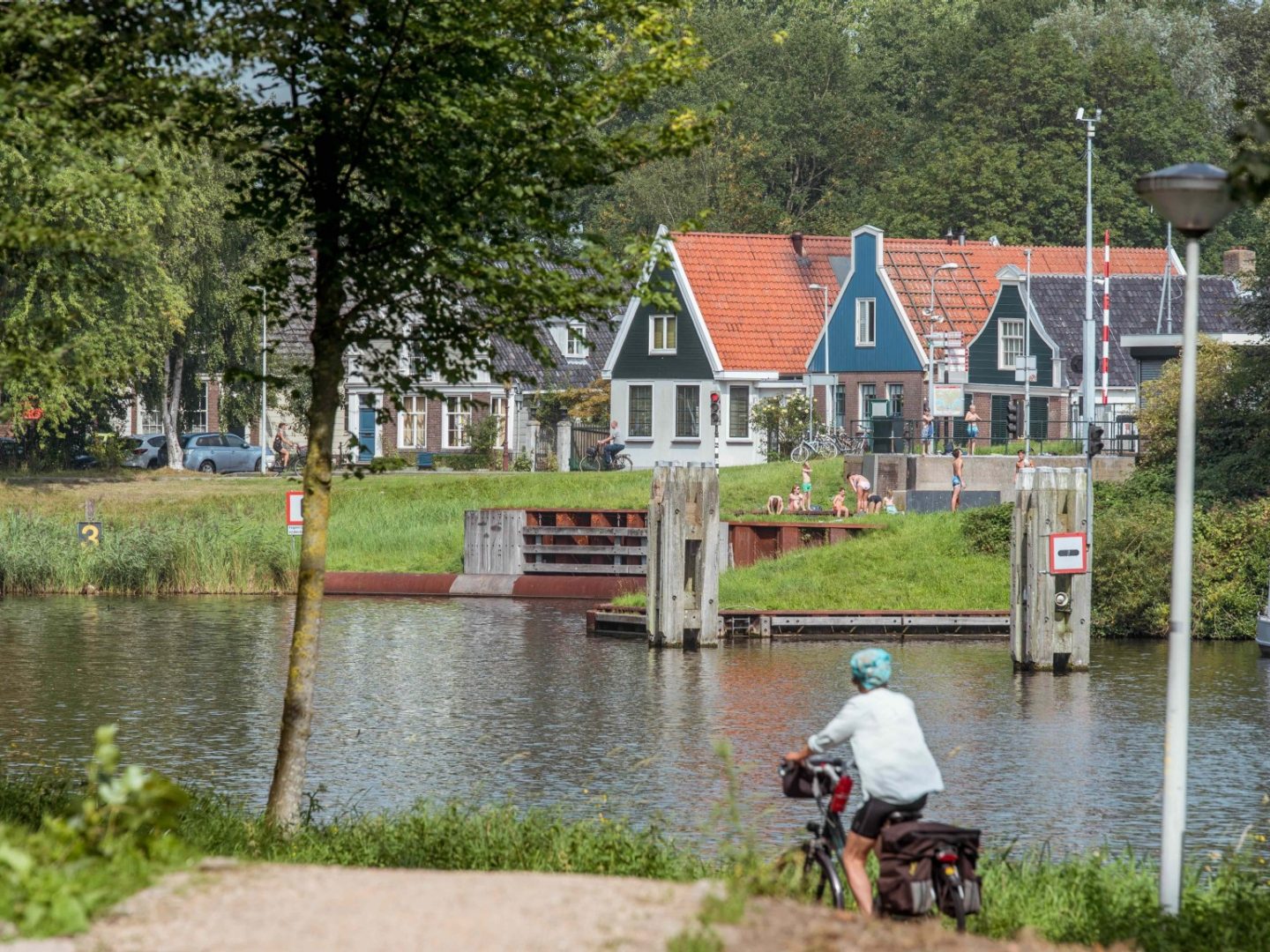
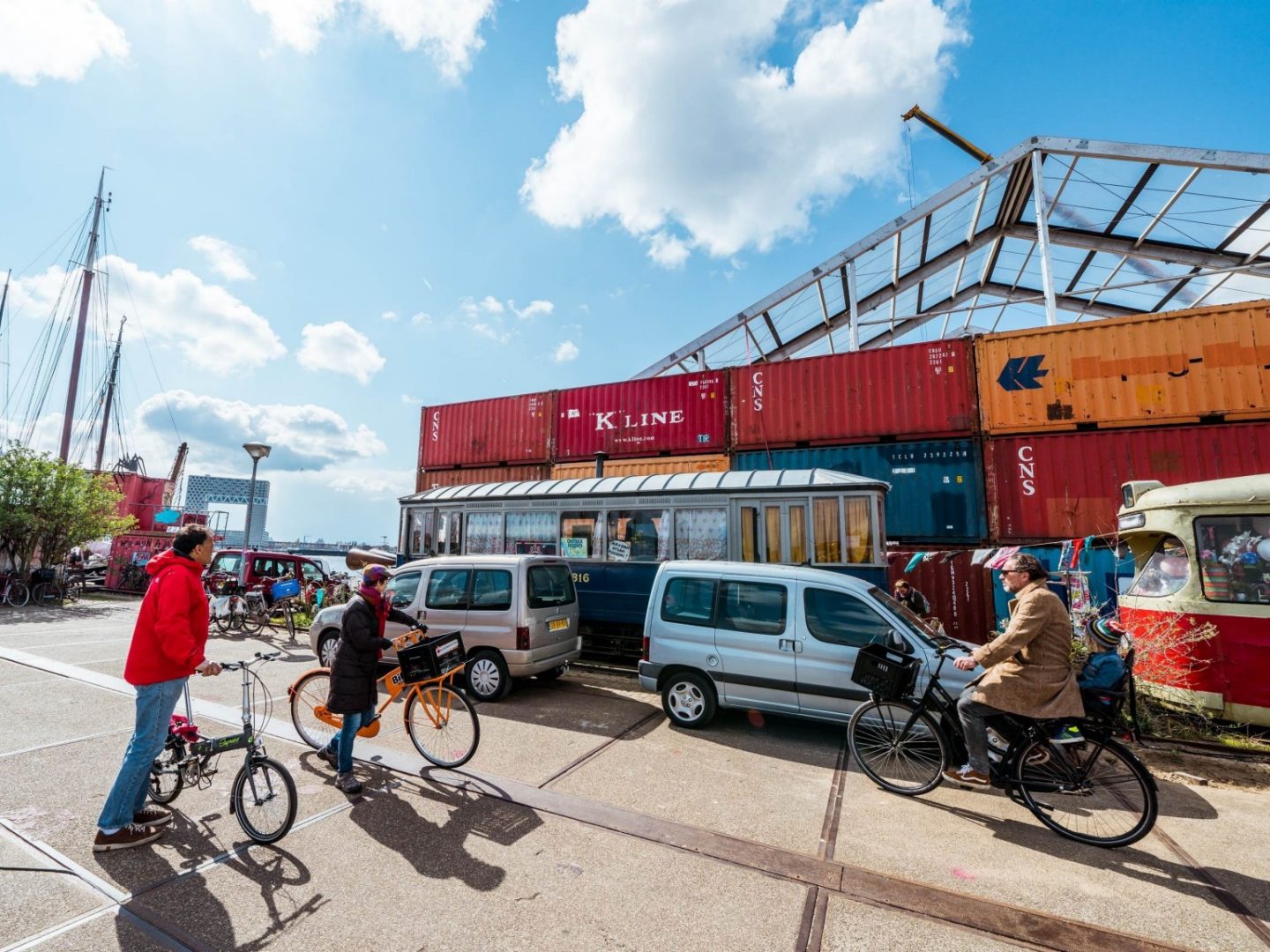
Located across the IJ Canal from Amsterdam Central Station, Noord was long considered the city’s industrial backyard, a working-class district shaped by shipbuilding and heavy industry. Today, that heritage creates an appealing contrast to the postcard-perfect city center.

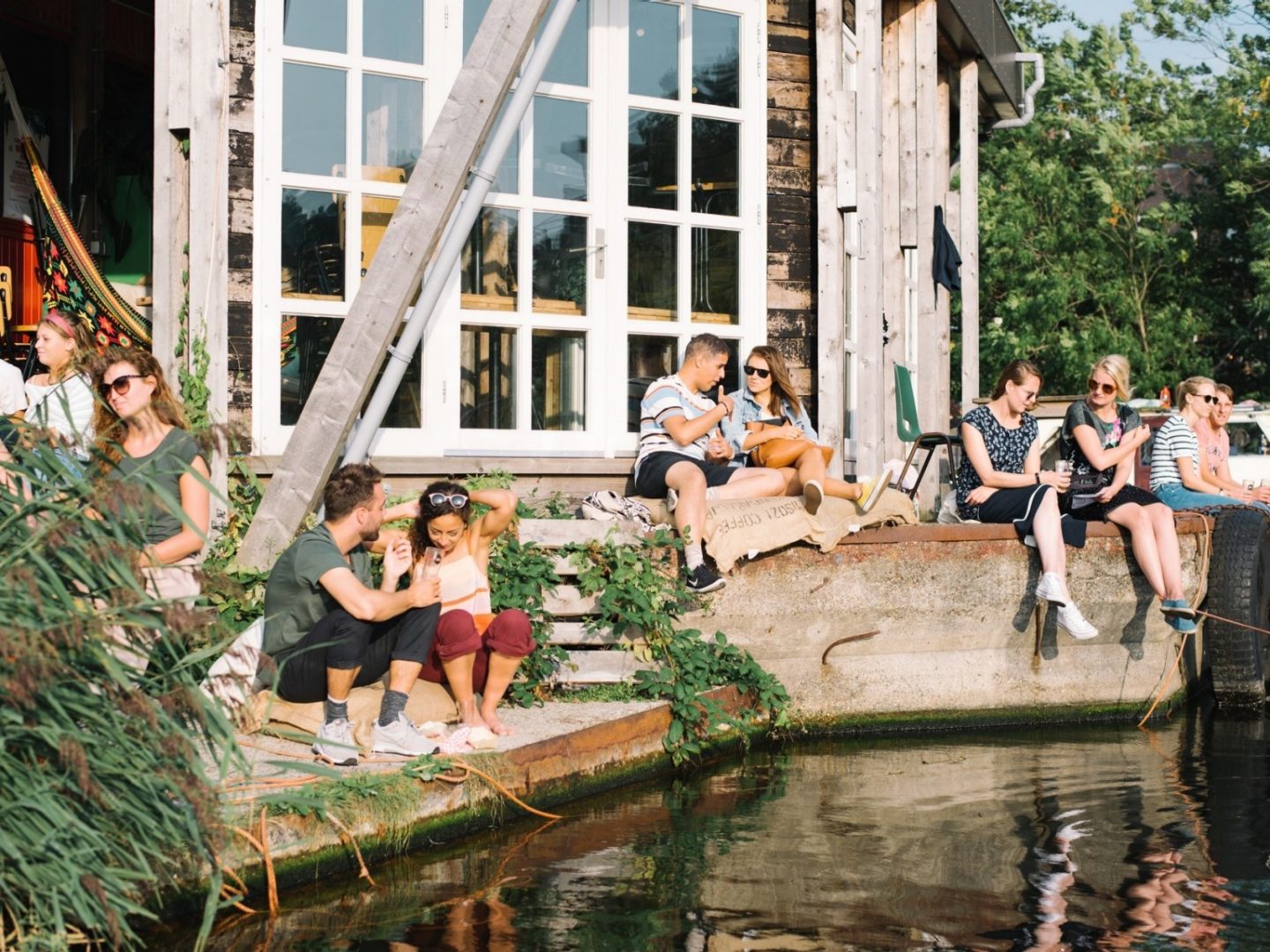
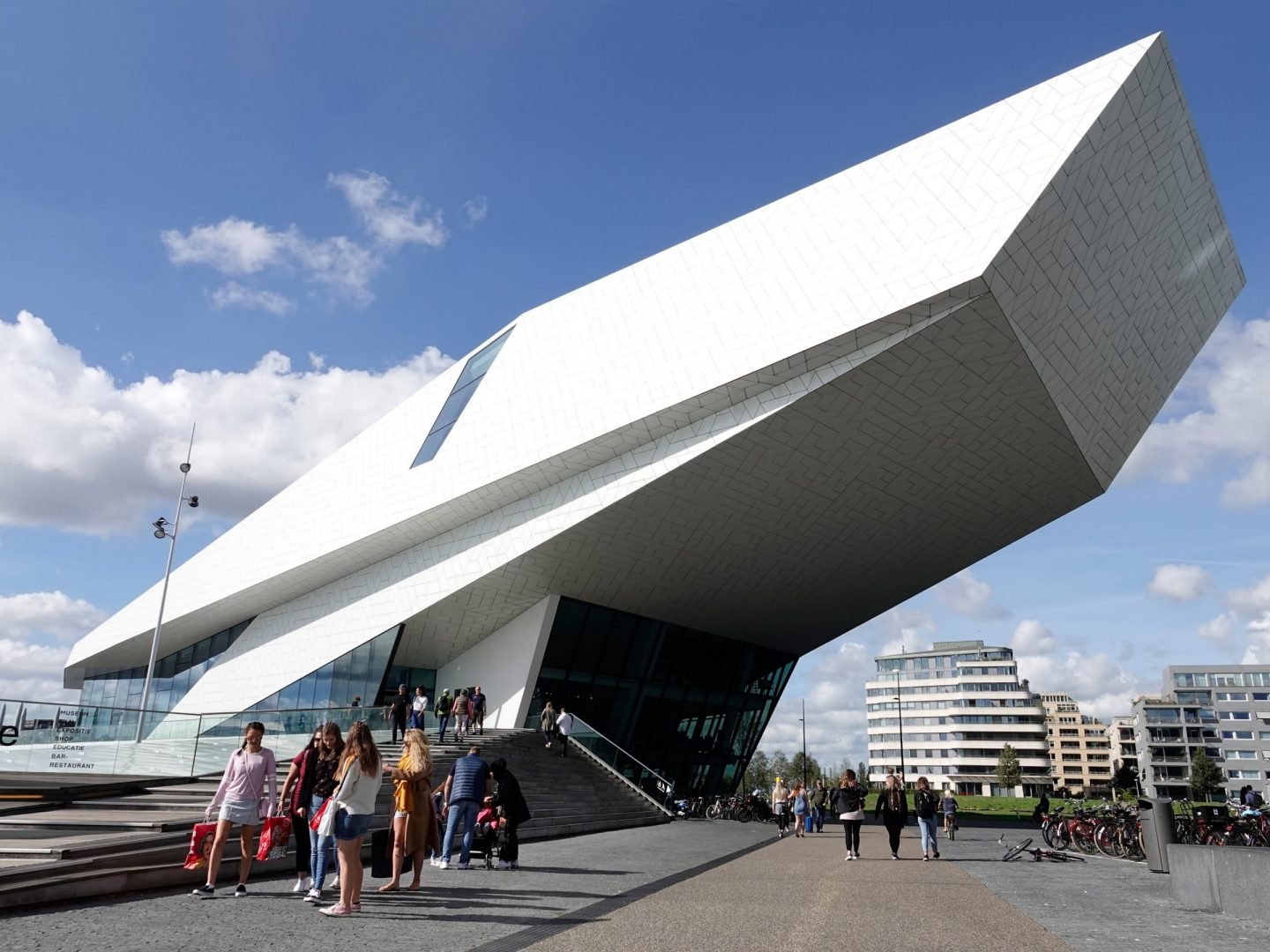
Expansive parks, village-like streets, striking contemporary architecture, and waterside cafés define the neighborhood. Houseboats line the waterways, fitting for a city built on canals and connected by more than 1,200 bridges.

Noord’s transformation accelerated in 2012 when the national ​Eye FilmmuseumThe link will be opened in a new browser tab* opened its iconic new home on the waterfront. The redevelopment of the former ​NDSM WharfThe link will be opened in a new browser tab* into a hub for artists, exhibitions, festivals, and creative businesses further cemented the district’s reputation.

From Amsterdam Central, free ferries reach Noord in just minutes. Once there, the best way to explore is like a local: by bicycle.

Stay: ​Sir Adam HotelThe link will be opened in a new browser tab* (a bold design hotel in the A'DAM Tower with sweeping city views)
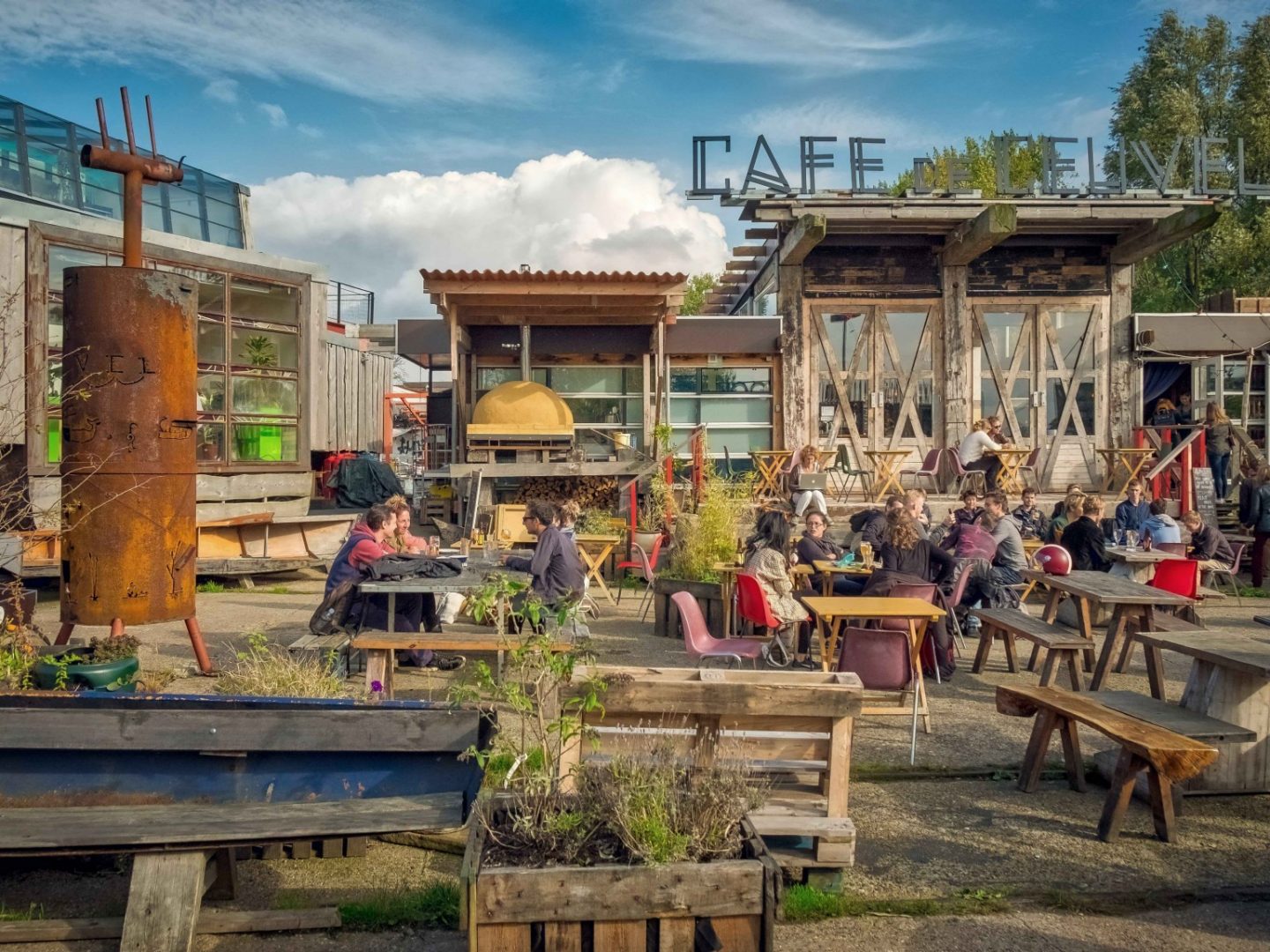
Eat: ​Café de CeuvelThe link will be opened in a new browser tab* (a waterside hotspot furnished with recycled materials from old boats)

Where Paris still has an edge

#7 Paris: Bastille

Less polished than Le Marais and far less driven by social-media trends, Bastille offers a grittier, more authentic side of Paris.

Visually modest and not yet entirely shaped by gentrification, the neighborhood thrives on its dense mix of affordable restaurants, wine bars, and intimate music venues. Locals still dominate the scene, while tourists remain a relatively minor presence.

This balance between everyday life, nightlife, and classic Parisian charm has steadily enhanced Bastille’s reputation, although rising property prices suggest its secret may not remain hidden for long.

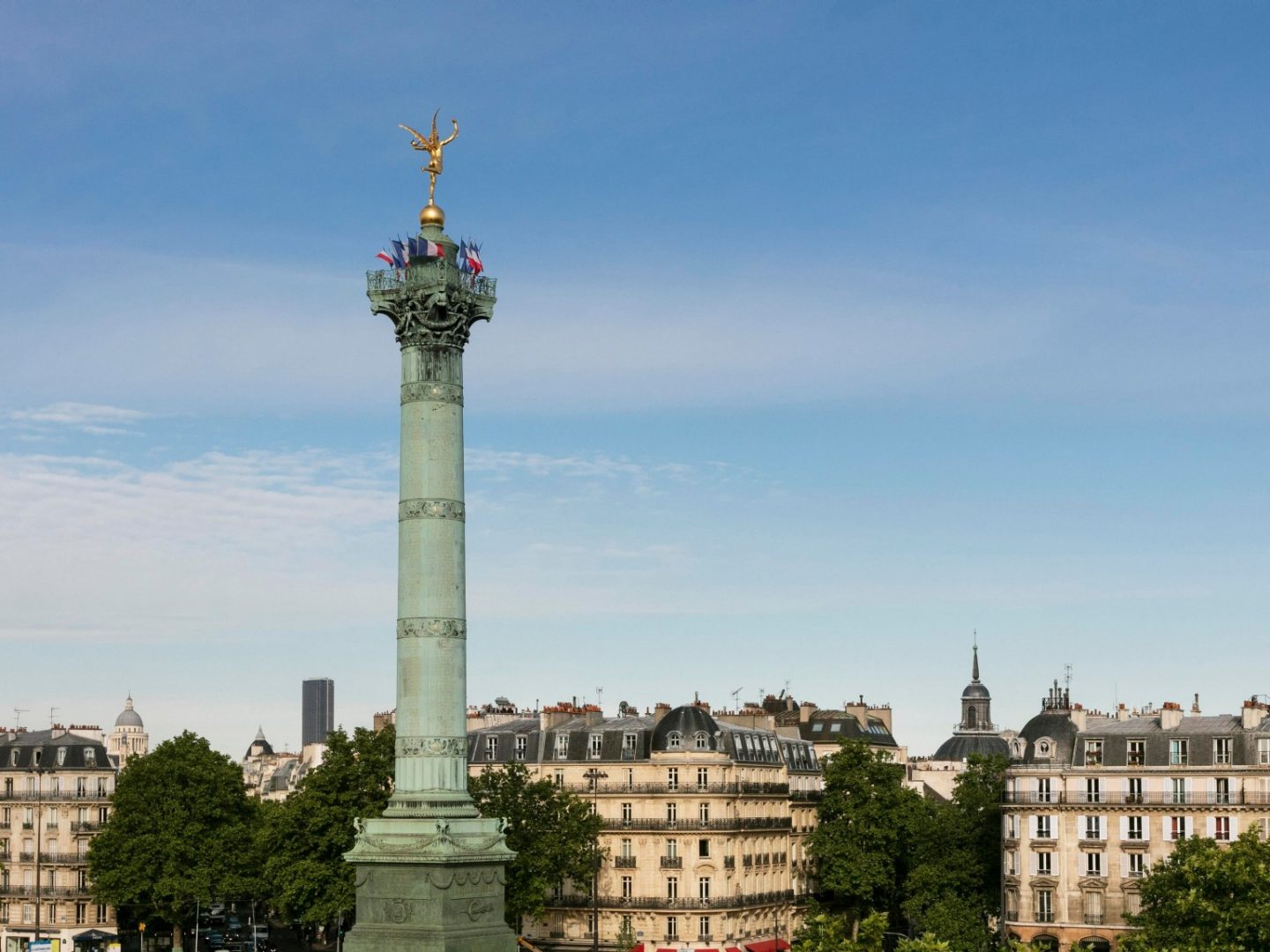
The neighborhood centers around Place de la Bastille, where the famous prison once stood before its storming helped ignite the French Revolution. It extends into the 4th, 11th, and 12th arrondissements and is especially known for its markets, particularly the popular Marché Bastille held on Thursdays and Sundays along Boulevard Richard-Lenoir.

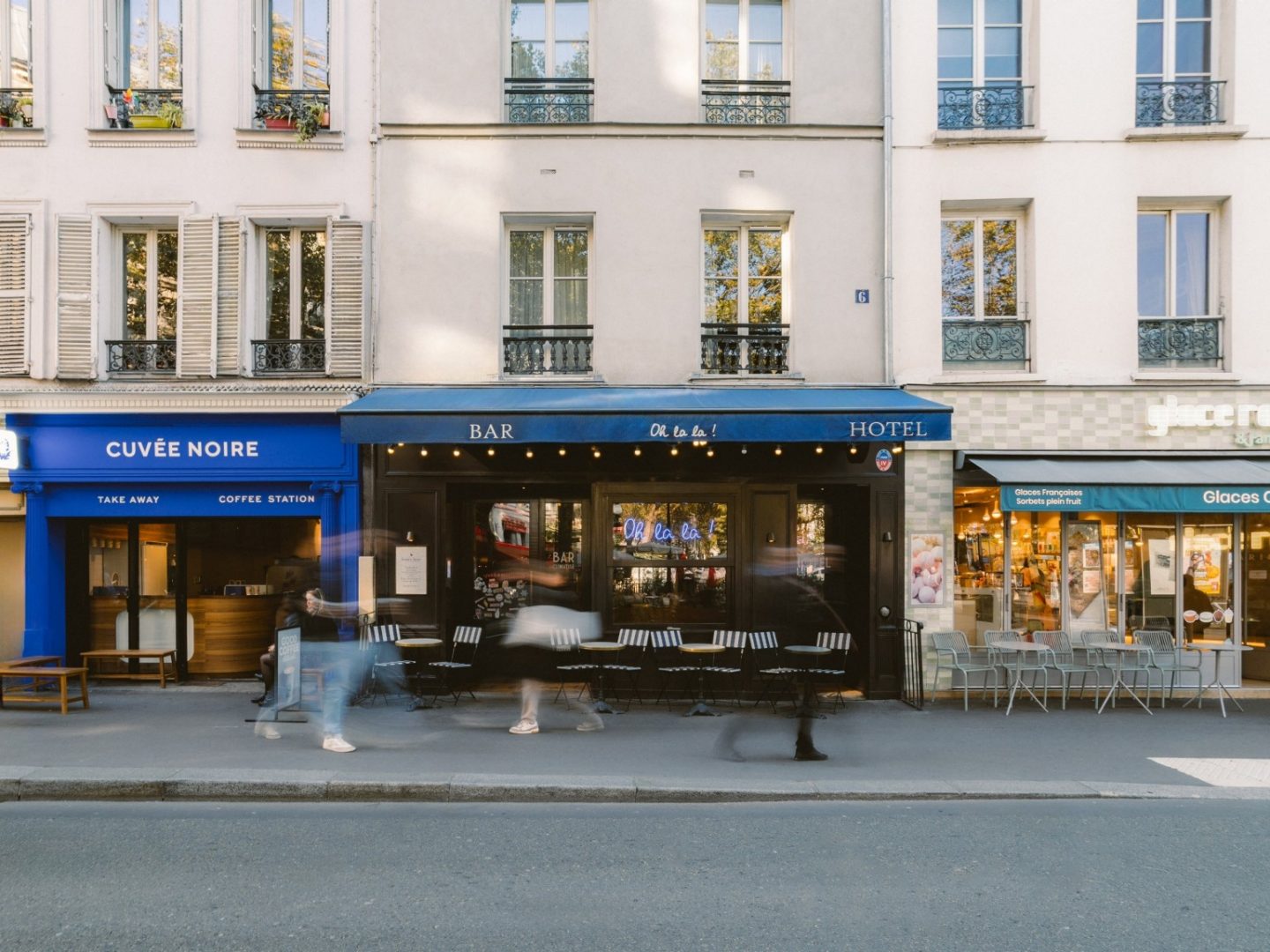
Stay: ​Oh la la! Hotel & BarThe link will be opened in a new browser tab* (small, creative, and effortlessly cool without breaking the bank)
Alternative: ​Maison BréguetThe link will be opened in a new browser tab* (a former industrial building reimagined as a stylish boutique hotel)
Eat: ​SeptimeThe link will be opened in a new browser tab* (a Michelin-starred favorite that remains refreshingly unpretentious)

Selection & text: Claus Schweitzer

Hero image: ©Wien Tourismus - Gregor Hofbauer

Disclaimer

*External links are accessible after free Lufthansa Group Wi-Fi activation.